 Image 1 of 2
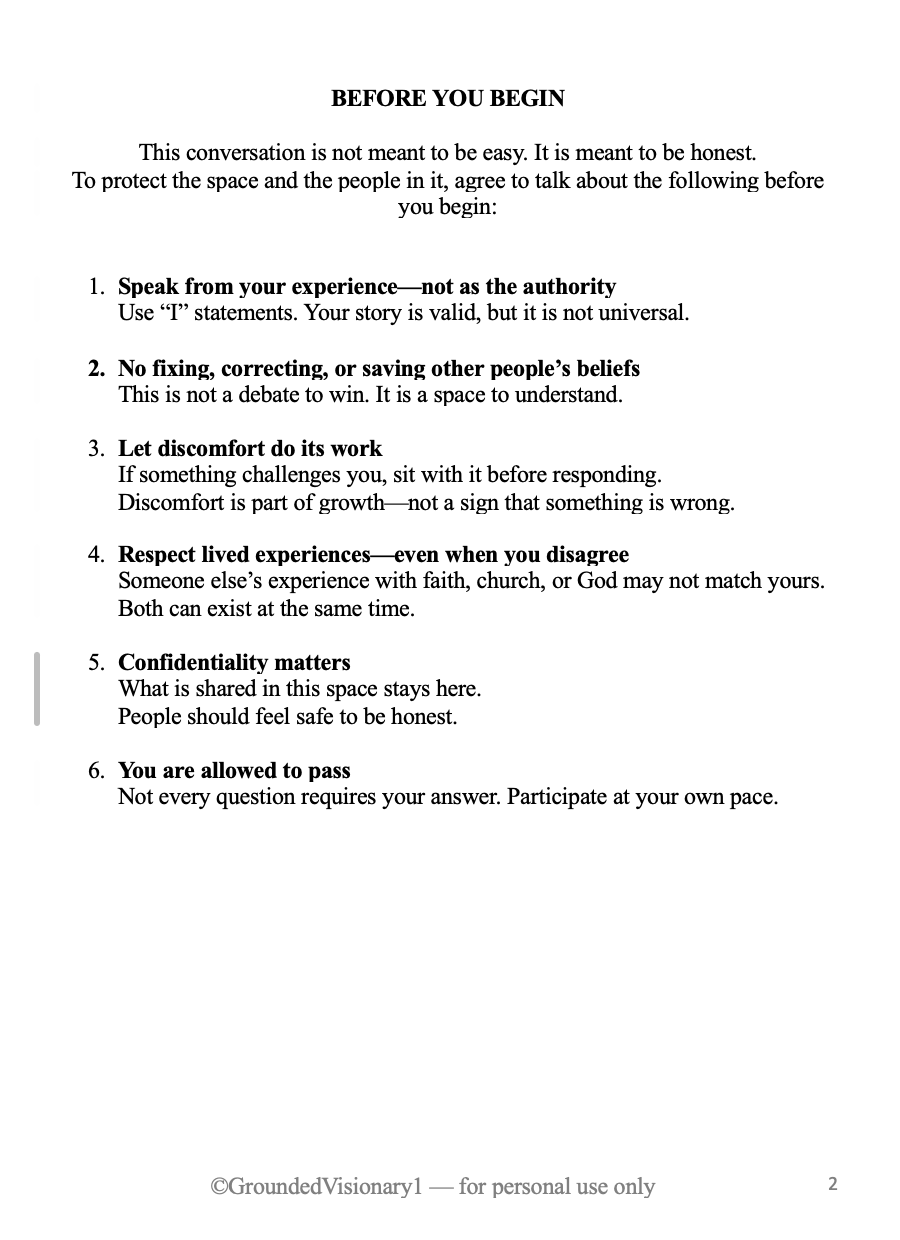 Image 2 of 2
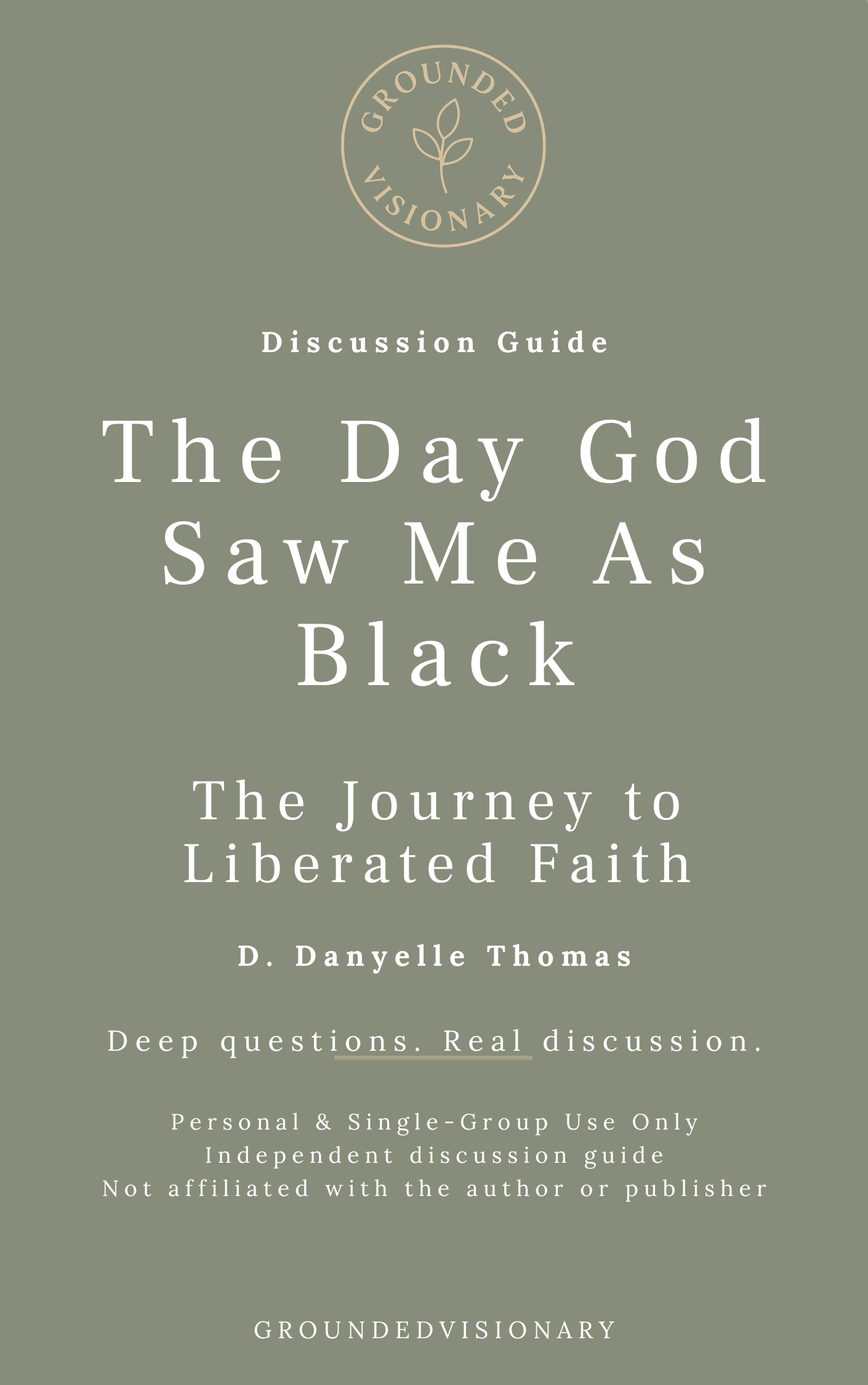
This discussion guide was created for readers of The Day God Saw Me as Black who want to go beyond reflection and into real conversation.
This is not a summary.
This is not a checklist.
This is a structured, thought-provoking experience designed to help individuals and groups wrestle with:
Faith and identity
The role of the Black church
Purity culture and body autonomy
Lived experience vs. traditional theology
What it means to be fully seen by God
Whether you agreed with the book, wrestled with it, or felt challenged by it, this guide gives you the space to process it honestly.
Most discussion guides ask what you think.
This one asks you to examine why you think it.
Inside, you’ll find:
✔ Tiered discussion questions (from accessible → deep → personal)
✔ “Make the case both ways” prompts to encourage real dialogue
✔ “On Trial” sections that challenge systems, not just ideas
✔ Guided activities for reflection, honesty, and group connection
✔ Space for both agreement and disagreement—without shutting either down
This is designed for real conversations—not polite ones.
30+ pages of structured discussion content
3 levels of discussion questions
Character/System “On Trial” debates
Guided group activities (including The Inheritance Audit)
Reflection prompts and quote exploration
Host facilitation notes (for leading meaningful conversations)
This guide is ideal for:
Book clubs ready for deeper conversations
Women’s groups navigating faith and identity
Readers processing church experiences (past or present)
Anyone engaging with deconstruction, theology, or cultural critique
Facilitators who want structure—not guesswork
Use individually for personal reflection
Use in small groups or book clubs
Use in ministry or discussion settings
Use at your own pace—this is not meant to be rushed
This guide engages topics such as:
Church harm and spiritual tension
Purity culture and body autonomy
Identity, race, and theology
It is designed to create space for honest conversation—not to tell you what to believe.
This is more than a printable.
This is a guided conversation experience designed to be revisited, reused, and explored over time.
f you’re ready for a conversation that goes beyond surface-level discussion—
Add this guide to your reading experience.
This discussion guide was created for readers of The Day God Saw Me as Black who want to go beyond reflection and into real conversation.
This is not a summary.
This is not a checklist.
This is a structured, thought-provoking experience designed to help individuals and groups wrestle with:
Faith and identity
The role of the Black church
Purity culture and body autonomy
Lived experience vs. traditional theology
What it means to be fully seen by God
Whether you agreed with the book, wrestled with it, or felt challenged by it, this guide gives you the space to process it honestly.
Most discussion guides ask what you think.
This one asks you to examine why you think it.
Inside, you’ll find:
✔ Tiered discussion questions (from accessible → deep → personal)
✔ “Make the case both ways” prompts to encourage real dialogue
✔ “On Trial” sections that challenge systems, not just ideas
✔ Guided activities for reflection, honesty, and group connection
✔ Space for both agreement and disagreement—without shutting either down
This is designed for real conversations—not polite ones.
30+ pages of structured discussion content
3 levels of discussion questions
Character/System “On Trial” debates
Guided group activities (including The Inheritance Audit)
Reflection prompts and quote exploration
Host facilitation notes (for leading meaningful conversations)
This guide is ideal for:
Book clubs ready for deeper conversations
Women’s groups navigating faith and identity
Readers processing church experiences (past or present)
Anyone engaging with deconstruction, theology, or cultural critique
Facilitators who want structure—not guesswork
Use individually for personal reflection
Use in small groups or book clubs
Use in ministry or discussion settings
Use at your own pace—this is not meant to be rushed
This guide engages topics such as:
Church harm and spiritual tension
Purity culture and body autonomy
Identity, race, and theology
It is designed to create space for honest conversation—not to tell you what to believe.
This is more than a printable.
This is a guided conversation experience designed to be revisited, reused, and explored over time.
f you’re ready for a conversation that goes beyond surface-level discussion—
Add this guide to your reading experience.